


College launches DAS Academy for virtual driver training
- One in six UK job vacancies need a driving licence - increasing to one in three in the Care and Social Work industry and over two in three in Plumbing
- Learning to drive now costs £2,472, almost seven weeks' take-home pay for an 18-year-old on the minimum wage
- Barnsley College becomes the first further education institution in the UK to fund provisional licences and deliver virtual reality training to students, initially supporting up to 200 per year
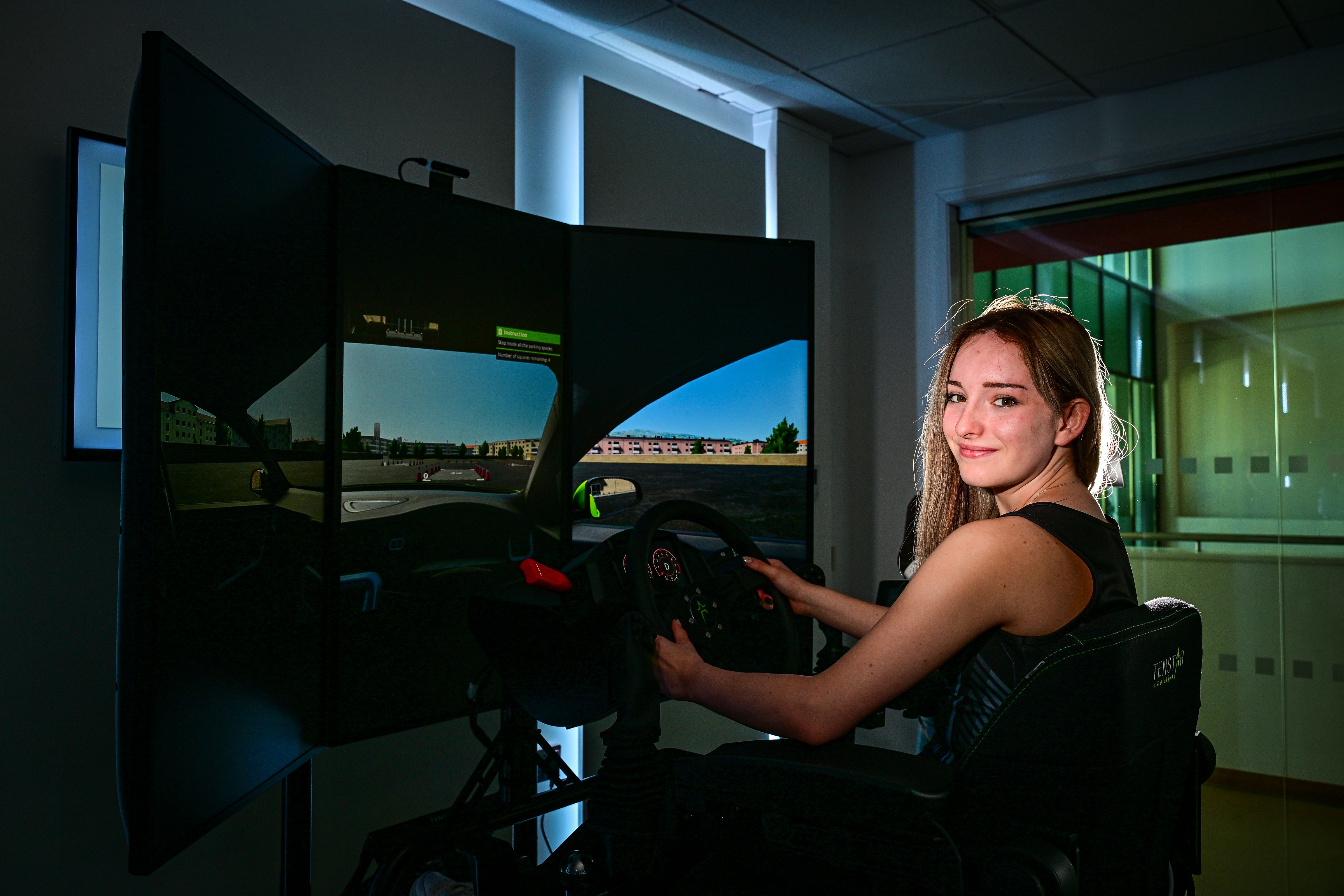
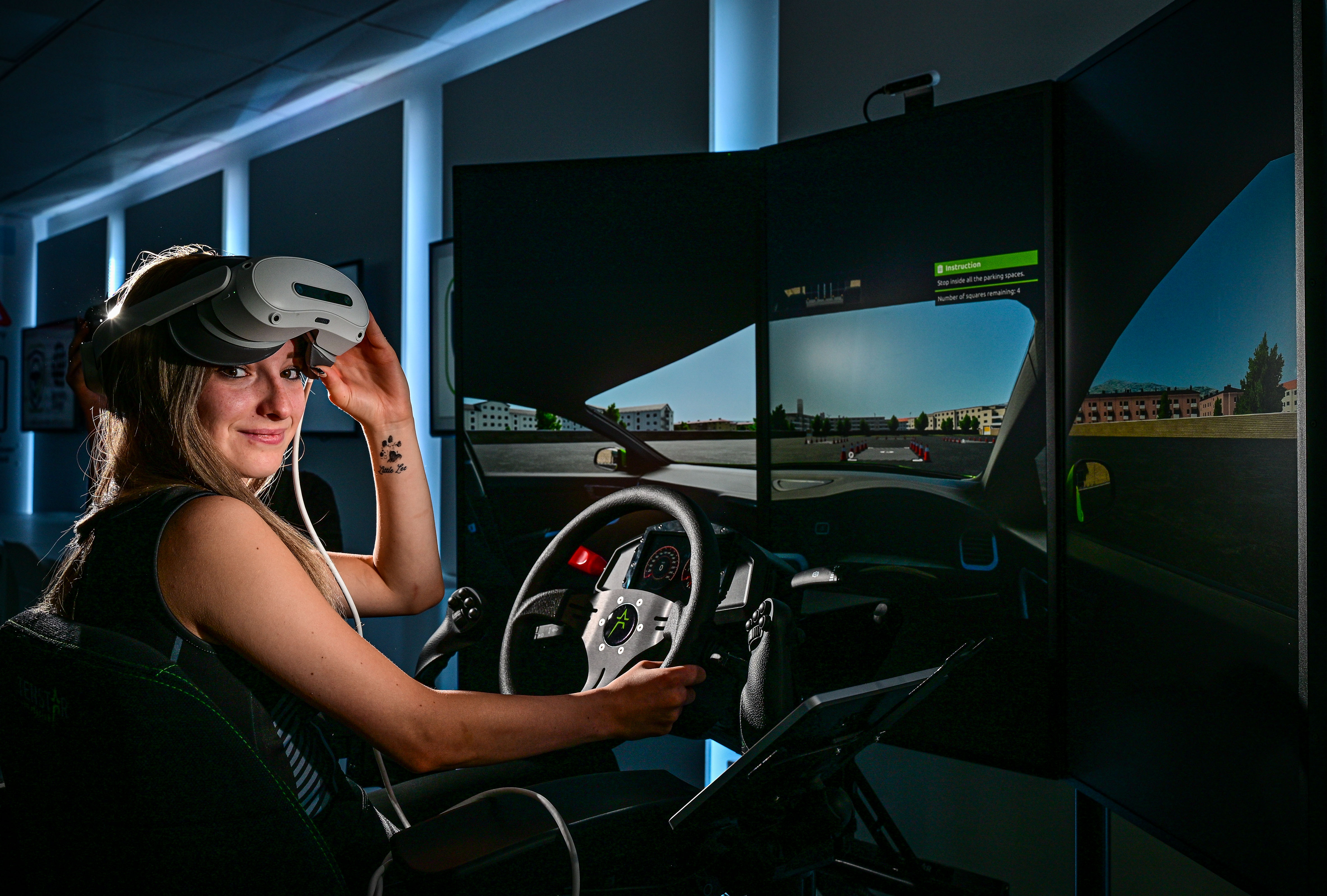
Barnsley College has become the first college in the UK to launch a virtual driver training academy for further education students, as new statistics from the Centre for Social Justice (CSJ) show one in six jobs now require a licence that many young people cannot afford.
From Friday 18 September, up to 200 students each year will receive support to pass their theory test, fund their provisional licence, and have access to virtual reality and immersive technology, building hours of driving experience and hazard perception skills before they ever get behind the wheel of a real car.
Research published last month by the CSJ found that 17.4 per cent of UK vacancies require applicants to be able to drive, rising to 34 per cent in Care and Social Work professions and 68 per cent in Plumbing.
To further compound this issue, the proportion of 17 to 20-year-olds in England holding a full licence has collapsed from 48 per cent in 1994 to 29 per cent in 2024, with nearly one in five unemployed people stating transport problems have caused them to turn down a job or not apply at all.
In Barnsley, almost one in five households do not have access to a car, rising to three in ten in Dearne North, one of the most deprived wards served by Barnsley College. Only 28 per cent of people in South Yorkshire live within 30 minutes of Sheffield city centre by public transport, making it harder for young people to reach training, employment or work opportunities, particularly in sectors involving early starts, shift patterns, or travel between sites.
The cost of driving lessons and waiting times for practical tests also present a barrier, with the average waiting time for a test slot taking 11.1 weeks as of July 2026.
The RAC estimates the total average cost of learning to drive to be around £2,472 - close to seven weeks’ take-home pay for 18–20-year-olds earning the National Minimum Wage.
Principal and CEO of Barnsley College, David Akeroyd, said: "The cost of learning to drive is one of many barriers our students face and has, for many, become prohibitive. It falls hardest on students from some of the most deprived wards in the country and these are young people whose ambition and ability were never an issue but face a £2,472 bill they have no way of meeting.
"We've always looked for local answers to national problems, which includes the NEETs crisis. We know that if this works for our first cohort, it has implications for every college in the country and for thousands of young people leaving further education each year.
“In a competitive job market and a cost-of-living crisis, we need to give our students every advantage to gain meaningful, skilled employment that allows our communities and the local economy to benefit.”
Darren Wright, founder of the Driver Accreditation Scheme (DAS), said: "When we started DAS, the problem was not complicated. Young people could have the skills and even a job waiting but still miss out because they had no way of getting there.
“That did not seem right. The Academy gives them a fairer chance, while making sure safety and responsibility come first. It will literally change lives.”
Alison Duffy, Recruitment and Retention Manager, Home Instead Sheffield and Barnsley, said: "Supporting young people to learn to drive could genuinely open so many doors for them and remove one of the biggest barriers we see when recruiting into home care.
"For Home Instead, this could enable us to offer more young people great employment opportunities, with good contracts, excellent training and a real career pathway. They could begin their journey supporting clients in their own homes and, with the right development, progress into senior roles, Lead Care Professional positions and potentially even become a Care Manager one day.
"It’s wonderful to see the college investing in something so practical that will not only improve young people’s employment opportunities but could also help us attract the next generation into a rewarding career in Care. We are really excited to support such a forward-thinking initiative.”
Amelia Smailes, Engineering Student, Barnsley College, said: “Learning to drive is something I’d really like to do, but the cost can make it feel out of reach. Having this support at college is a brilliant opportunity and will help me feel more confident about taking that first step.
“Being able to drive would give me more independence and open up so many more possibilities, whether that’s travelling to interviews, getting to work or considering jobs that I might not otherwise be able to reach.”
The academy will also help students understand career pathways connected to mobility and transport, including logistics, passenger transport, environmental services, vehicle engineering, fleet operations, construction and connected technology.